
How Do Atropine Drops Work to Slow Myopia Progression?
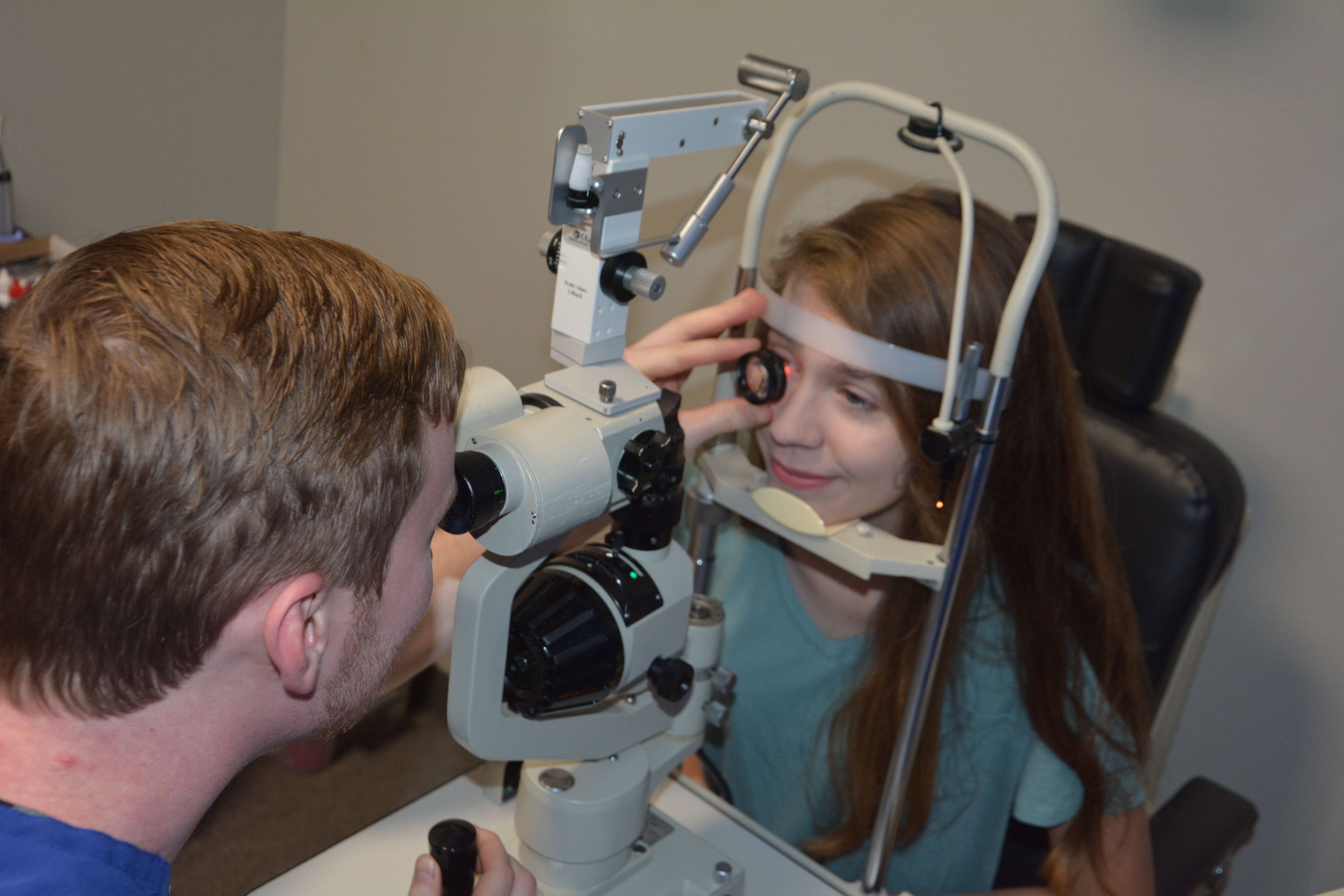
If your child’s glasses prescription seems to change every year, you may be wondering what can be done to slow it down. Myopia often progresses throughout childhood - but modern eye care offers more than just stronger lenses. One of the most effective and research-backed treatments available today is low-dose atropine eye drops.
What Is Myopia and Why Does It Progress?
Myopia occurs when the eye grows too long from front to back. Instead of light focusing directly on the retina, it focuses in front of it, causing distant objects to appear blurry.
In children, the eyes are still developing. If the eye continues to elongate too quickly, myopia can worsen over time. Higher levels of myopia are associated with an increased risk of serious eye conditions later in life, including:
- Retinal detachment
- Glaucoma
- Myopic macular degeneration
- Early cataracts
How Do Atropine Drops Slow Myopia?
Low-dose atropine helps slow myopia progression by targeting the underlying cause: excessive eye growth. As myopia worsens, the eyeball elongates from front to back, causing light to focus in front of the retina instead of directly on it. Research suggests that low-dose atropine influences biochemical activity within the sclera, the white outer layer of the eye, helping to reduce this abnormal elongation and slow the progression of nearsightedness.
In addition to its effects on the eye wall, atropine also appears to impact retinal signaling. The retina plays an important role in guiding how the eye grows during childhood. Certain signals within the retina can stimulate elongation, contributing to worsening myopia. Atropine may help regulate or modify these signals, supporting more stable visual development over time.
What Results Can Parents Expect?
Atropine drops don’t “cure” myopia or reverse an existing prescription. Instead, their goal is to slow the rate of progression. Clinical studies show that low-dose atropine can reduce myopia progression by approximately 40 - 60%, depending on the concentration used and the individual child’s response.
The earlier myopia management begins, the more effective it tends to be. That’s why routine pediatric eye exams are essential.
Is Atropine the Right Choice for My Child?
Atropine drops are often recommended for children:
- Whose prescriptions are worsening quickly
- With a family history of high myopia
- Diagnosed with myopia at a young age
- At risk for developing high myopia
In some cases, atropine may be combined with other myopia management strategies, such as specialty contact lenses or lifestyle recommendations. Every child’s visual development is unique. A comprehensive eye exam at Eye Trends Southlake is the best way to determine the most appropriate treatment plan.
Schedule Your Child’s Eye Exam in Southlake Today
Myopia progression isn’t something parents have to simply “wait and watch.” Low-dose atropine drops offer a scientifically supported, safe, and effective way to slow eye growth and help protect your child’s long-term vision. At Eye Trends Southlake, we are committed to proactive pediatric eye care and customized myopia management plans designed to safeguard your child’s future eye health.
If your child’s prescription has been increasing or you’re concerned about their risk for myopia progression, schedule a pediatric eye exam at Eye Trends Southlake to learn whether atropine drops may be the right solution for your family. Visit our office in Southlake, Texas, or call (817) 900-EYES (3937) to book an appointment today.



Providing a Positive and Memorable Patient Experience to North Texas
Office Hours
- Mon - Fri: 9:00AM - 6:00PM
- Sat: 9:00AM - 3:00PM
- Sun CLOSED
© 2026 Eye Trends Southlake. All rights Reserved. Accessibility Statement - Privacy Policy - Sitemap
Powered by:
