
When Eye Drops Aren’t Enough: Advanced Dry Eye Treatments That Target The Root Cause
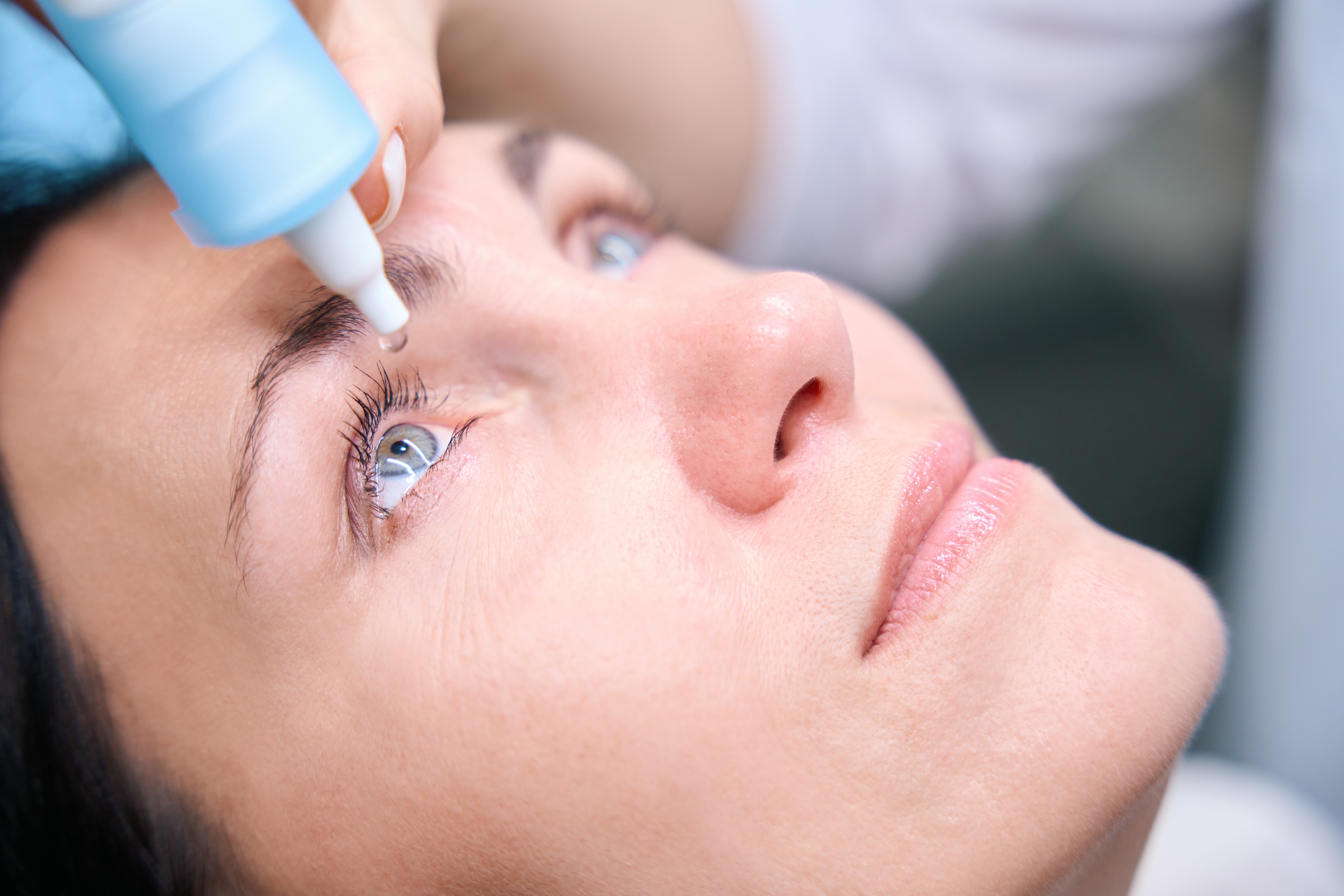
Dry eye can be frustrating when artificial tears only provide short-term relief. For many people, the issue is not just a lack of moisture. Dry eye often develops because the tears are poor quality, evaporate too quickly, or the oil glands in the eyelids are not working properly. Advanced dry eye treatments are designed to look beyond temporary comfort and address the underlying cause of irritation, burning, redness, and blurry vision.
Why Eye Drops May Not Be Enough
Over-the-counter eye drops can help relieve mild dryness, but they may not solve the problem if dry eye is linked to inflammation, clogged meibomian glands, or tear film instability. When the oil layer of the tears is not healthy, moisture can evaporate too quickly, leaving the eyes feeling dry again soon after using drops.
That is why a proper dry eye evaluation is important. By identifying what is causing the symptoms, our eye doctor can recommend a treatment plan that fits your specific needs.
Signs You May Need Advanced Dry Eye Treatment
Dry eye symptoms can range from mild to disruptive. You may benefit from advanced dry eye care if you experience:
• Burning, stinging, or gritty eyes
• Redness or irritation that keeps coming back
• Watery eyes caused by poor tear quality
• Blurry vision that improves temporarily after blinking
• Eye fatigue when reading or using screens
• Contact lens discomfort
• Symptoms that do not improve with artificial tears
If these symptoms are frequent, it may be time to move beyond basic drops and explore in-office dry eye treatments.
Treatments That Target The Source Of Dry Eye
At Eye Trends Southlake, dry eye care may include in-office treatments that help improve tear quality and support healthier eyelid function. Intense Pulsed Light therapy uses pulses of light to help liquefy hardened oils and reduce gland blockages in the eyelids. This can be helpful for patients whose dry eye is related to meibomian gland dysfunction.
Low Level Light Therapy uses low-intensity red or near-infrared light to support eye health and comfort. Meibomian gland expression may also be recommended to manually clear blocked glands and improve the oil layer of the tears.
For some patients, punctal plugs can help keep natural tears on the eye longer by reducing tear drainage. Amniotic membranes may be used when the surface of the eye needs additional healing support. Prescription eye drops or regenerative therapies may also be part of a personalized plan.
Getting The Right Dry Eye Plan
The best dry eye treatment depends on the cause of your symptoms, the condition of your tear film, and the health of your eyelids and ocular surface. Some patients need one treatment, while others benefit from a combination of therapies.
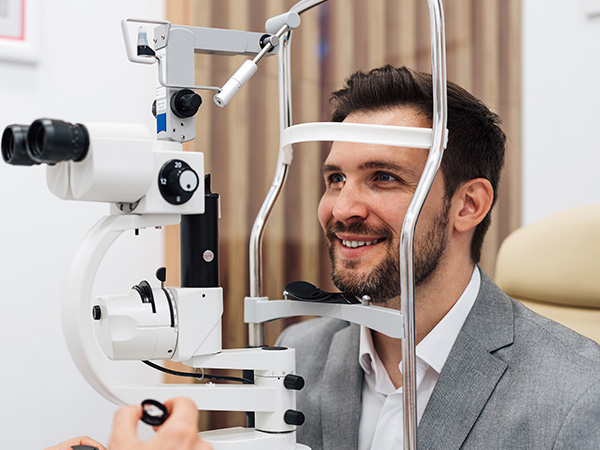
A comprehensive dry eye evaluation helps determine whether your symptoms are caused by poor tear production, tear evaporation, gland blockage, inflammation, or another underlying issue. With the right diagnosis, treatment can be more targeted and more effective than relying on drops alone.
Schedule a dry eye evaluation with Eye Trends Southlake to learn more about advanced treatments designed for lasting relief. Visit our office in Southlake, Texas, or call (817) 900-EYES (3937) to book an appointment today.



Providing a Positive and Memorable Patient Experience to North Texas
Office Hours
- Mon - Fri: 9:00AM - 6:00PM
- Sat: 9:00AM - 3:00PM
- Sun CLOSED
© 2026 Eye Trends Southlake. All rights Reserved. Accessibility Statement - Privacy Policy - Sitemap
Powered by:
